
Ambient by design.
Aseptic packaging gives tomato concentrate, fruit concentrates and purees up to 24 months of shelf life without refrigeration or preservatives. The largest saving it makes is not on our electricity bill — it is on everyone else’s.
 Primary goal · Goal 7Affordable and clean energy
Up to 24 months ambient — no refrigeration, no preservatives.
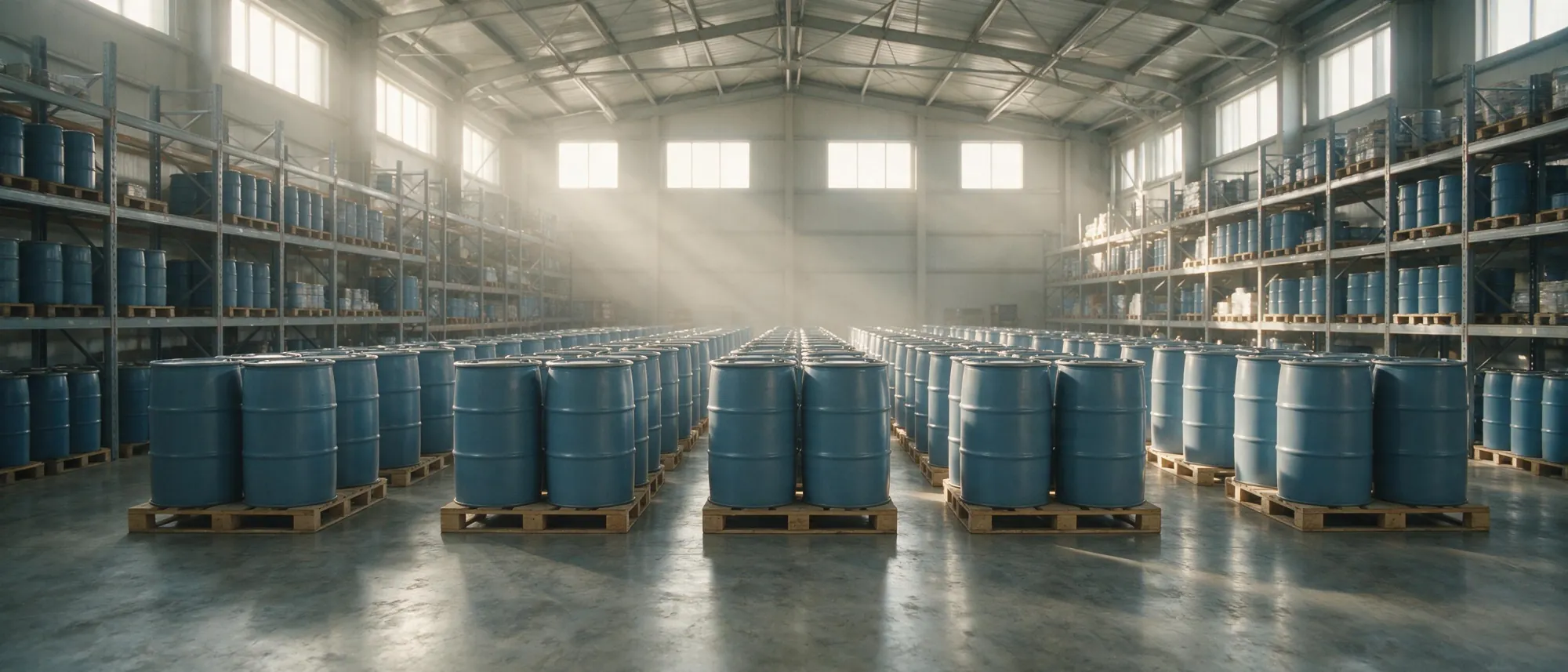
Sterilise the product and the pack separately, bring them together in a sterile environment, and the finished drum needs no refrigeration and no preservative for two years.
What aseptic actually means.
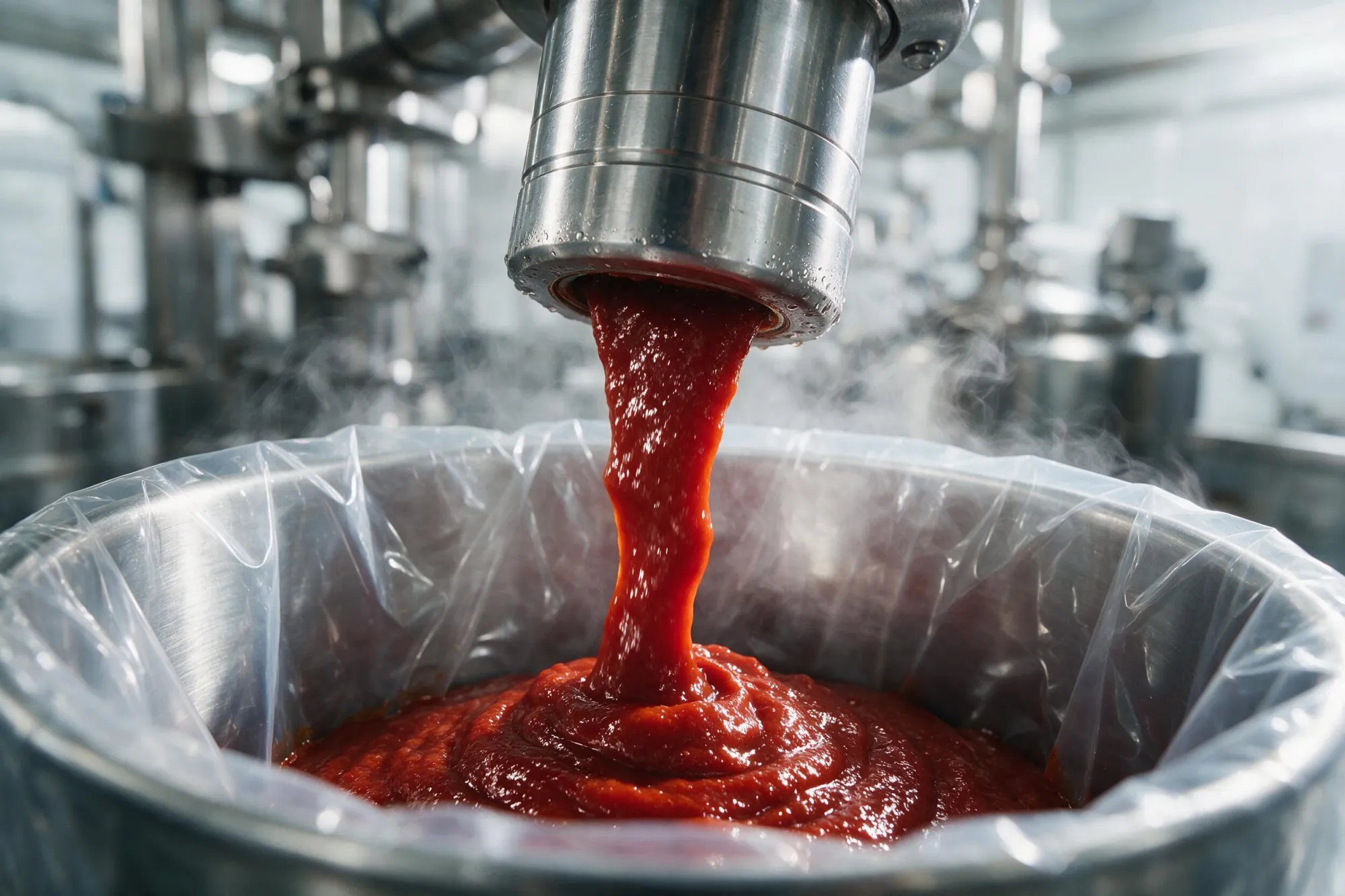
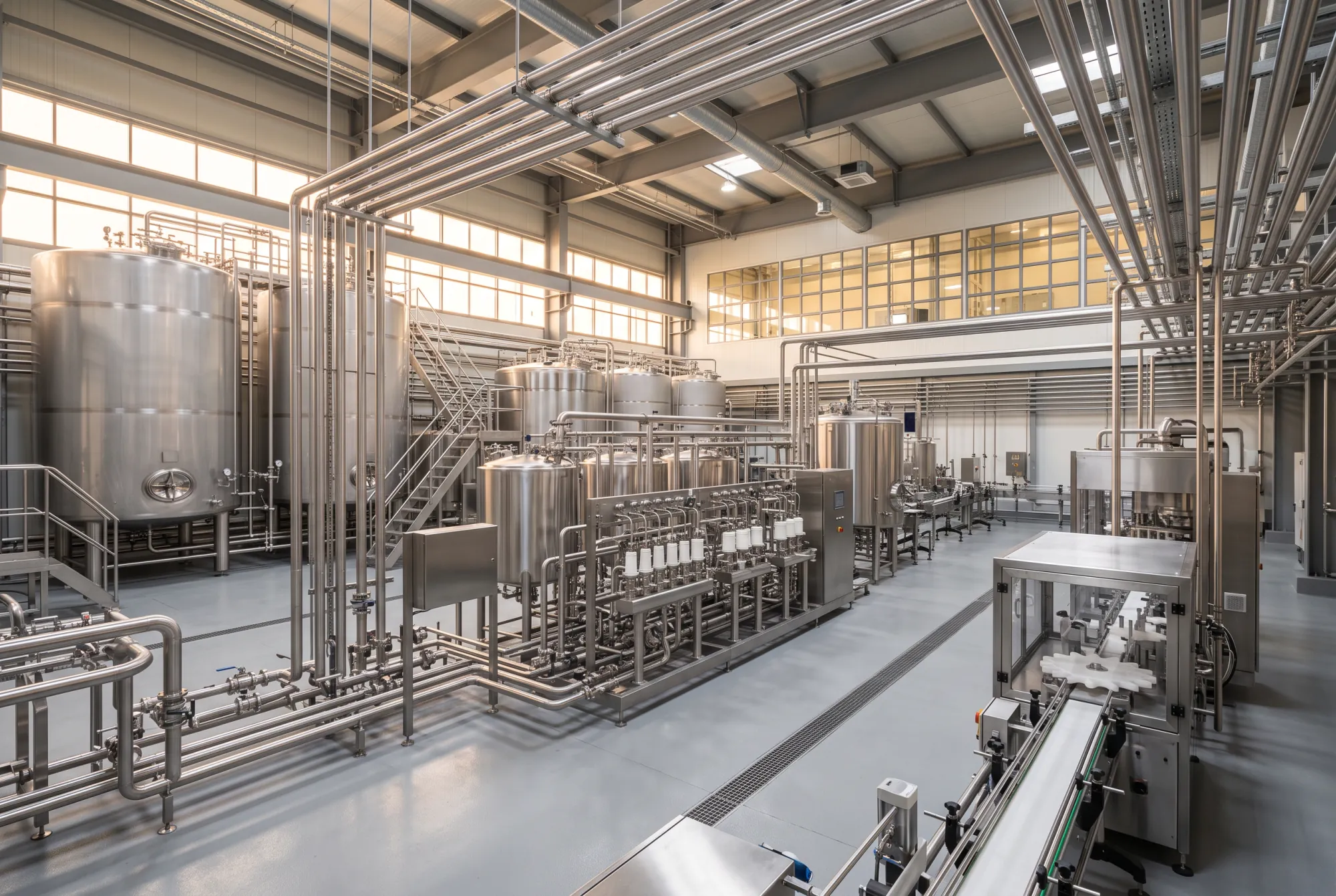
Aseptic processing sterilises the product and the packaging separately, then brings them together in a sterile environment. The product is heated briefly and cooled fast, rather than cooked slowly inside a sealed container, and it is filled into a pre-sterilised bag inside a drum or bin.
Two consequences follow. The heat load on the product is lower, so colour and flavour survive closer to the fresh fruit. And the finished pack is commercially sterile without a preservative and without a cold chain, because nothing viable is left inside it and nothing can get in.
The cold chain we take out.
By eliminating the need for continuous cold-chain refrigeration, our solutions help reduce electricity consumption across transportation, storage and distribution — improving energy efficiency and reducing the associated CO₂ footprint throughout the downstream supply chain.
Consider the alternative path for the same fruit. Frozen puree has to be held below freezing from the day it is made until the day it is used, in a chilled truck, a chilled port, a chilled warehouse and a chilled store at the customer’s plant. Every one of those links draws power continuously, including the weeks when the product is doing nothing but waiting.
The cheapest kilowatt-hour in the supply chain is the one nobody has to generate, because the product does not need cooling.
Why ambient shelf life is a climate decision
- In transit — ambient containers instead of reefer containers, with no generator set running for the length of the voyage.
- In store — a standard warehouse rack instead of a freezer room, for up to 24 months.
- At the customer — no thaw step before use, which removes both time and energy from their process.
- On failure — a power cut in an ambient warehouse is an inconvenience, not a written-off consignment.
Shelf life is waste prevention.
A harvest window is a few weeks long. A beverage or food manufacturer buys all year. Without a stable format, the only ways to bridge that gap are to freeze the crop, to preserve it chemically, or to let it be lost.
Twenty-four months of ambient stability means a season’s fruit can be released against real demand rather than dumped into whatever market exists in October. That is the least glamorous and most significant contribution the format makes to Goal 12.
What the format does not fix.
Aseptic packaging is steel drums, plastic liners and fibre cases, and those have a footprint of their own. Drums are reconditioned and reused where the customer’s system allows it, and bag-in-box formats cut material per tonne further, but neither is zero.
The saving we describe is downstream refrigeration avoided, and it is real. It is not a full life-cycle assessment of the pack, and we do not present it as one. A cradle-to-gate figure covering packaging materials sits in the same measurement programme as the rest of our carbon work.
Alamir Ingredients — Sadat City, Egypt. Questions about anything in this article, or the evidence behind it, go to the export team.
Request a quote Download documentsOther articles.
 Sourcing
Shorter fields, lower footprint
Why we contract Egyptian growers before the season instead of buying on the open market.
Read the article → People


Two hundred and fifty jobs
What 250 direct jobs in Sadat City consists of, and the skills it builds beyond our payroll.
Read the article → Environment

Every litre, counted twice
Water in the field and on the line — and why the field is where the leverage is.
Read the article →