
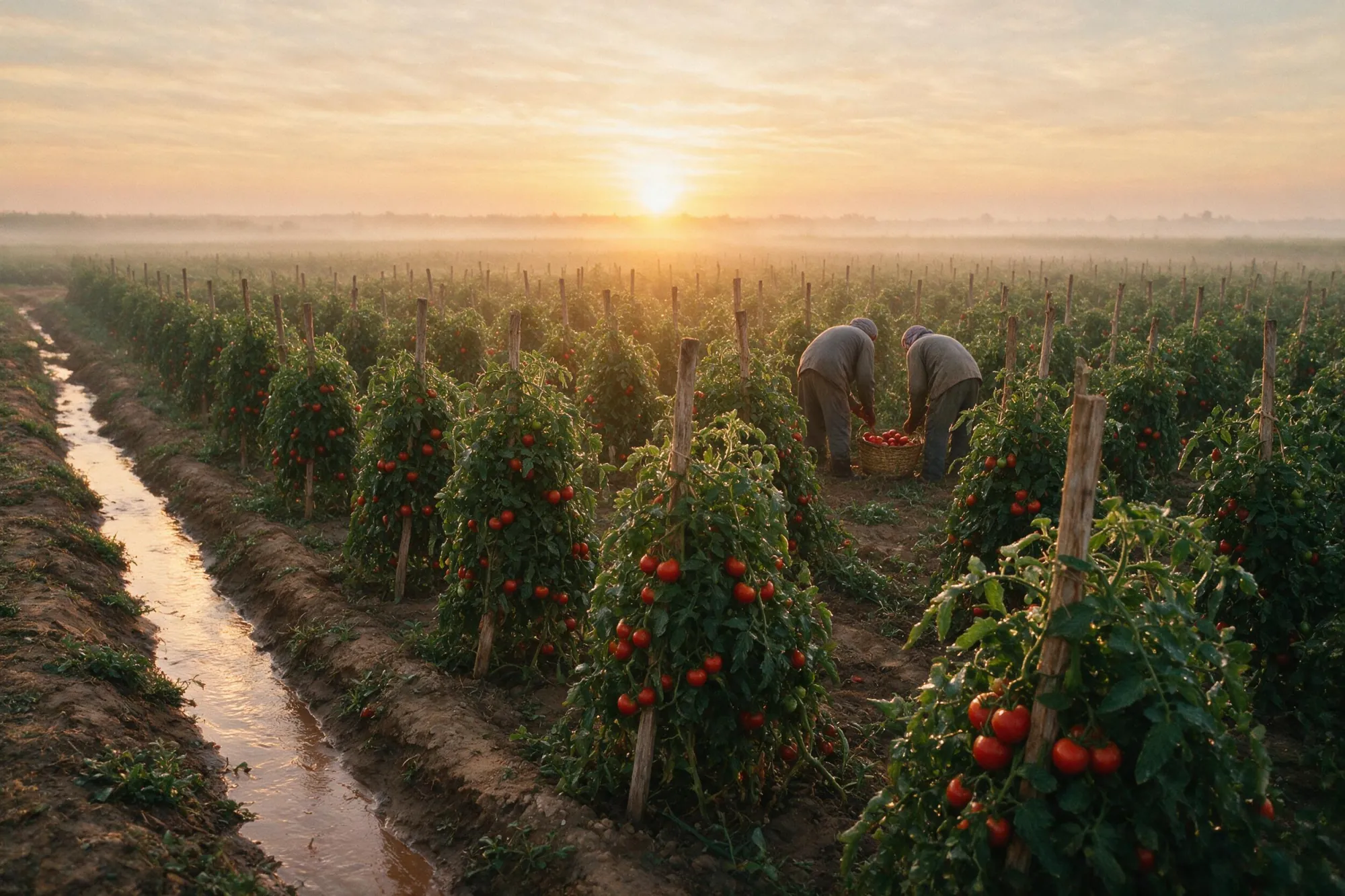
Shorter fields, lower footprint.
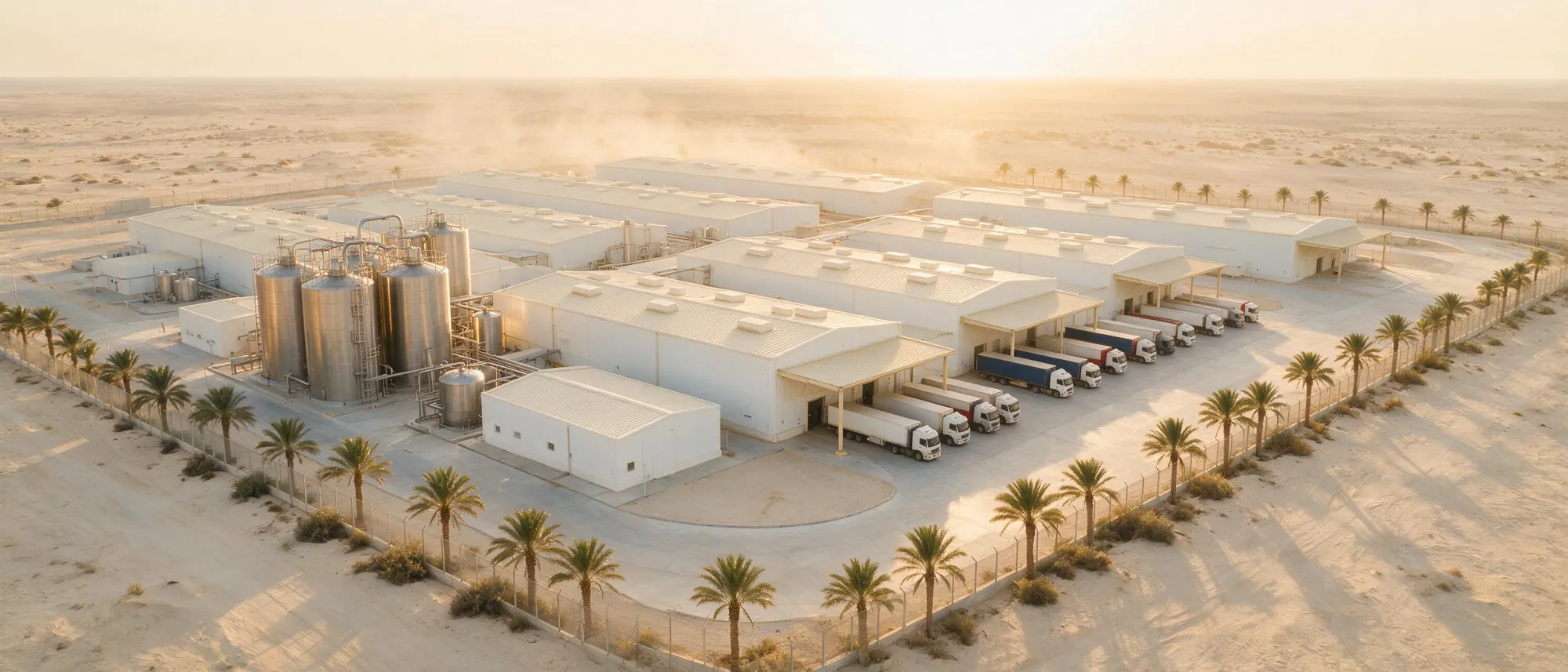
Most tomato and fruit concentrate travels a long way before it is concentrated. We built the facility inside the growing region instead — and contract the harvest before it is planted.
 Primary goal · Goal 12Responsible consumption and production
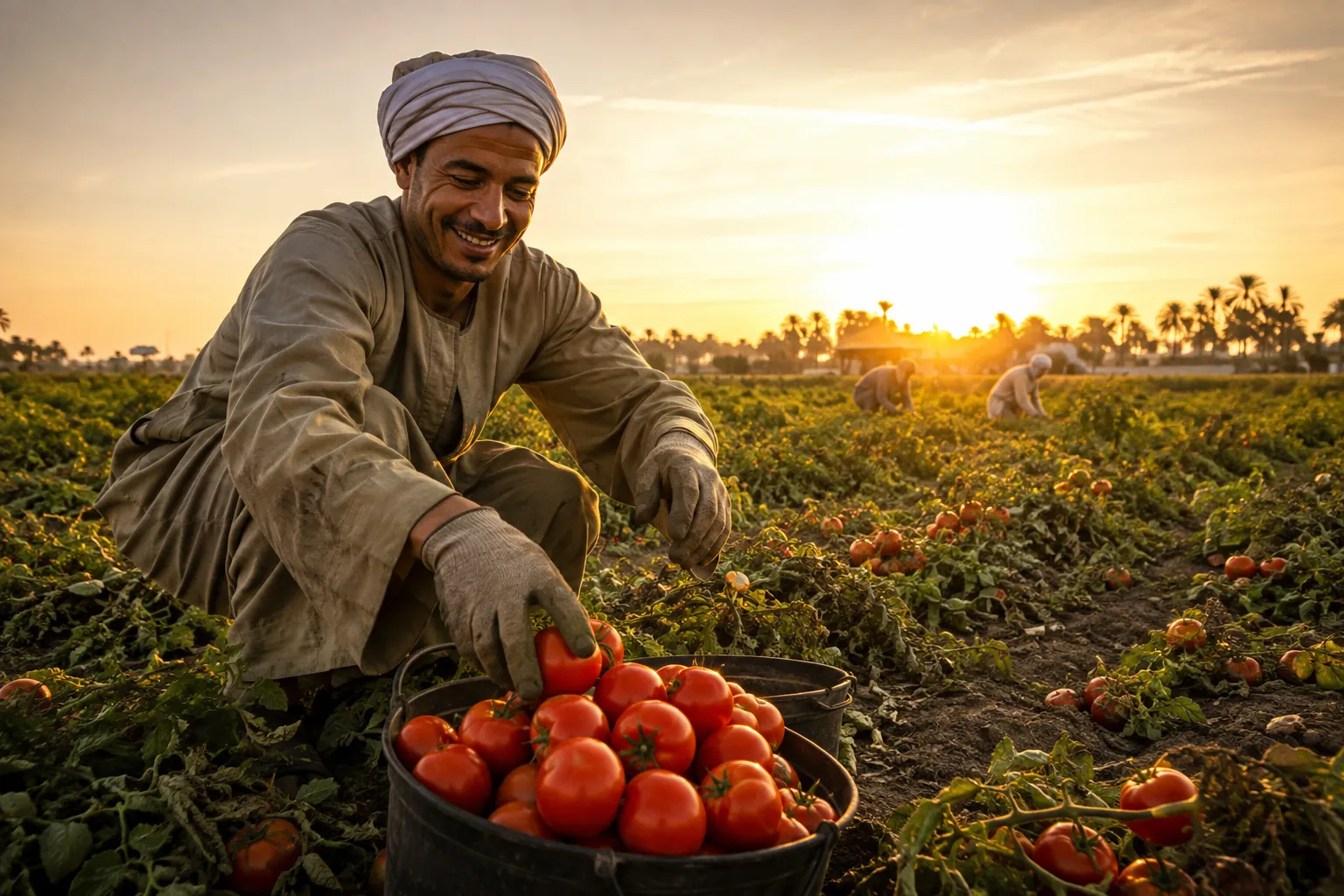
Picking to a harvest plan agreed with the grower before the season opened.
Fruit bought on the open market is aggregated, stored and moved before anyone concentrates it. Every step of that costs fuel, and every hour of it costs yield.
The open market is an expensive habit.
Fruit bought on the open market is aggregated, stored, moved and only then processed. Every one of those steps costs fuel, and every hour between picking and processing costs sugar, colour and yield. The two losses are usually reported separately. They are the same loss.
Spot buying also puts the processor and the farm on opposite sides of the same week. At peak harvest the buyer wants a lower price because everything is ripe at once, and the grower wants a higher one because the fruit will not wait. Nobody plans anything in that market; everybody reacts.
Fruit that has been aggregated, stored and moved before processing is not cheaper. The cost has just moved into the yield.
Why we stopped buying spot
Contracting before the season.
Varieties, planting windows and harvest dates are agreed with growers before the season starts. The farm knows what it is growing and for whom; we know what is arriving and when. That removes the spot-market scramble at peak harvest, and it removes the quality lottery that comes with it.
- Variety selection matched to the product — processing tomato for concentrate is a different plant from a table tomato, and the Brix difference is the whole economics.
- Staggered planting windows so intake is spread across the campaign instead of arriving in one unmanageable fortnight.
- Agreed harvest dates, so fruit is picked at the ripeness the line wants rather than the ripeness the market will pay for.
- A known buyer before planting, which is what makes investment in irrigation and agronomy rational for the farm.
Hours, not days, from field to intake.
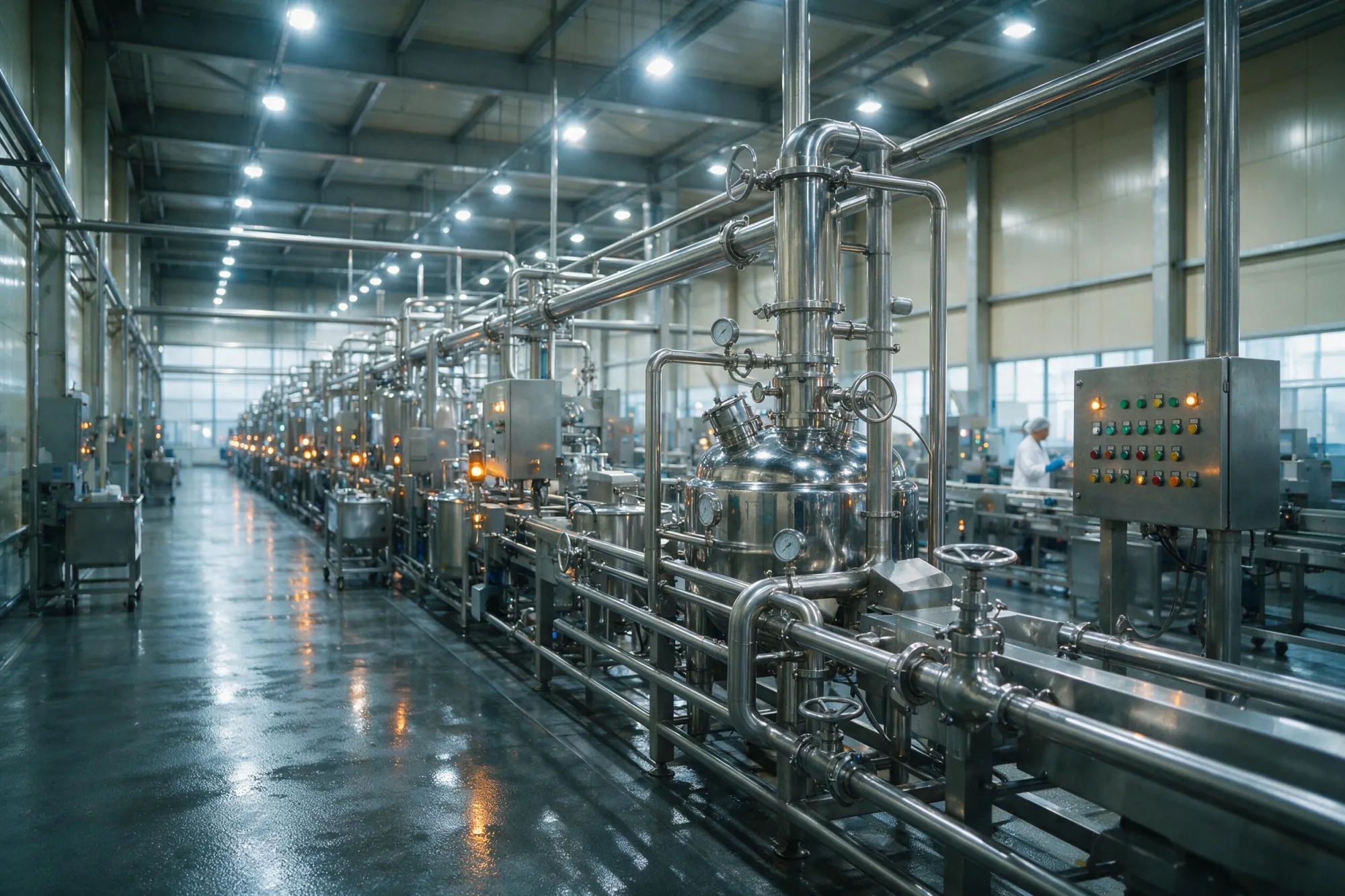
By working with suppliers close to our manufacturing facilities we keep a shorter and more efficient agricultural supply chain with lower food miles. Shorter distances mean fewer transportation requirements, less reliance on long-distance logistics, lower transport-related emissions and a smaller CO₂ footprint across the chain.
The quality effect is the one our customers notice first. Fruit that reaches intake within hours of picking has lost less sugar to respiration and less colour to heat, so the concentrate leaves the evaporator closer to the specification without correction.
Value that stays in the governorate.
Our local sourcing approach supports Egyptian agriculture, strengthens local supply networks and keeps more value within the local economy. The money paid for a tonne of tomato lands in the same region as the plant that processes it, and so does the haulage, the crate handling and the seasonal labour around it.
What we still have to prove.
We are not publishing a verified carbon figure yet. The measurement programme runs alongside the ISO 14001 and SEDEX work on the certification roadmap, and we will publish the number when it has been audited rather than before.
Road distance per delivery is recorded, and so is intake yield. Turning those into a defensible CO₂e per tonne needs an agreed boundary and an external auditor, and both are part of the ISO 14001 work rather than something we will estimate in the meantime.
Alamir Ingredients — Sadat City, Egypt. Questions about anything in this article, or the evidence behind it, go to the export team.
Request a quote Download documentsOther articles.
 Packaging
Ambient by design
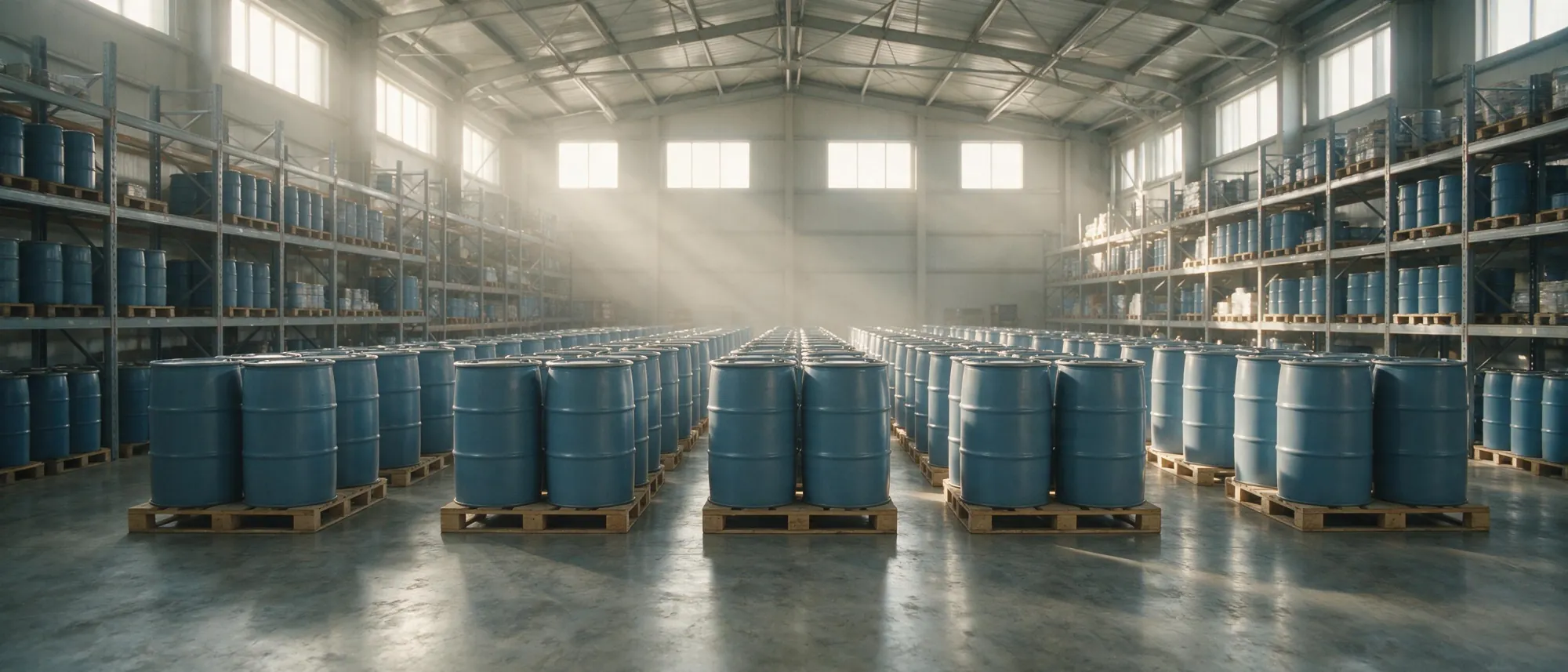
24 months without refrigeration — and the downstream cold chain that removes.
Read the article →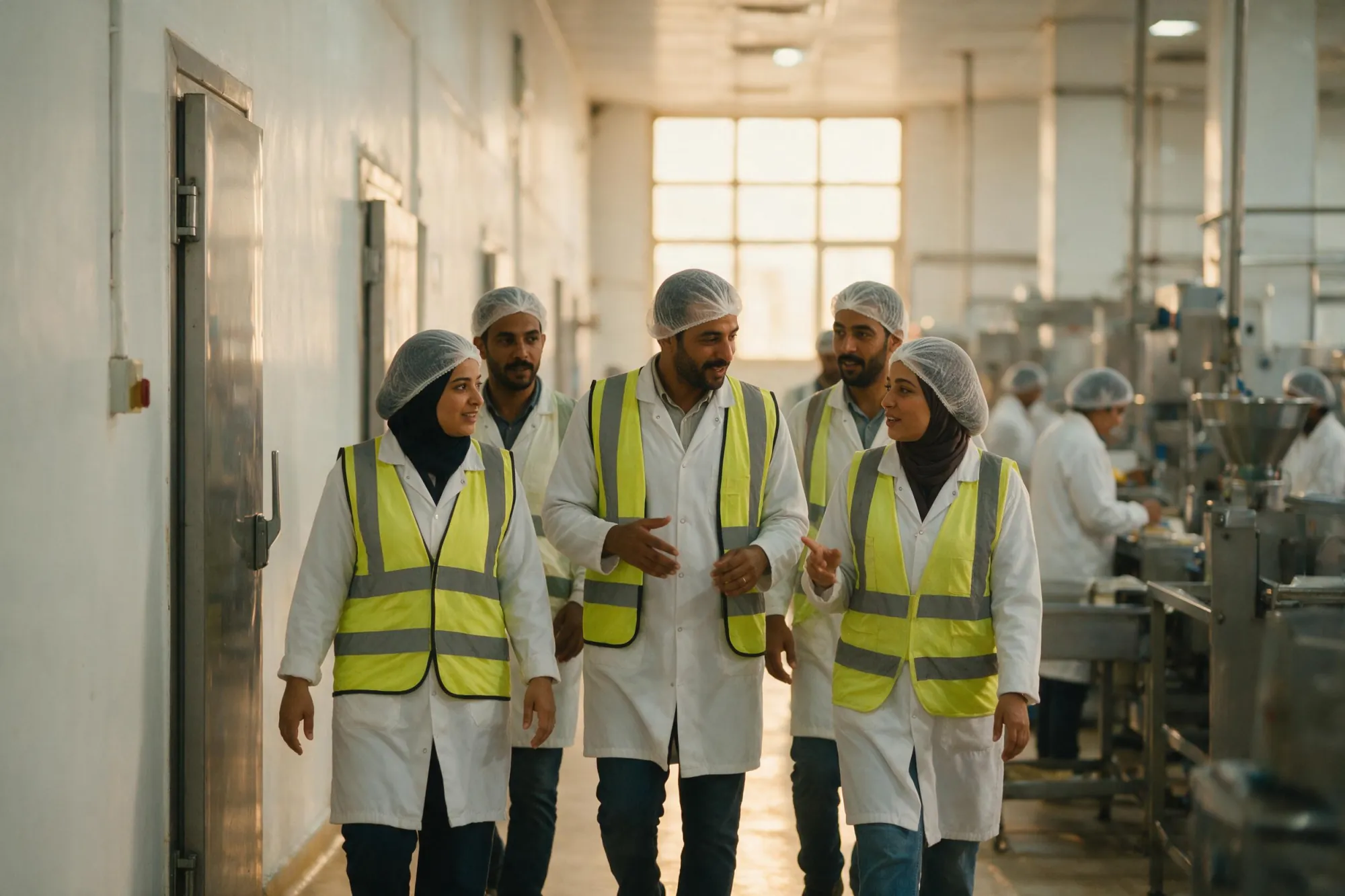 People
Two hundred and fifty jobs
What 250 direct jobs in Sadat City consists of, and the skills it builds beyond our payroll.
Read the article → Environment
Every litre, counted twice
Water in the field and on the line — and why the field is where the leverage is.
Read the article →